Posted in History

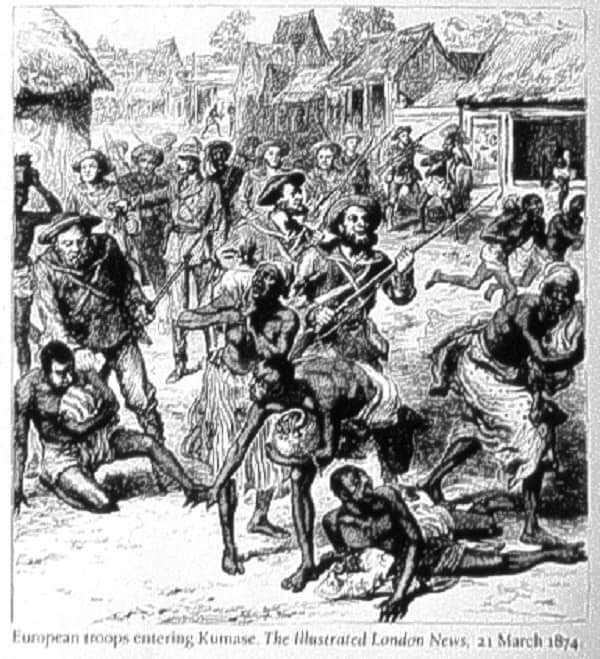
147 years ago,the entire kumasi was burnt down by the british

The Third Anglo-Ashanti War occurred from 1873 to 1874. British General Garnet Wolseley led 2,500 British troops and several thousand Indian and African troops against the Ashanti Empire. 

For the first time the British decided to defeat and destroy the Ashanti Empire. 

Helped by better trained soldiers, the introduction of quinine (which helped protect against disease), and the new maxim gun (machine gun) which gave the British forces a significant technological advantage over the Ashanti Army, the British defeated the Ashanti in the Battle of Amoaful on January 31, 1873. 

The Ashanti capital of Kumasi was briefly occupied by the British and then burned. 

The war ended in July 1874 when the Ashanti signed the Treaty of Fomena.

#OurResistance

Credit: The Kingdom of Asante
Posted in History

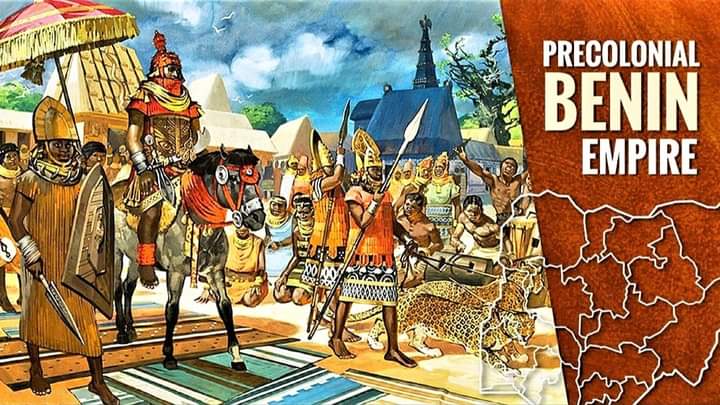
How the city of Benin was looted and burnt to the ground by British soldiers

Kingdom of Benin was one of the strongest and most prosperous kingdoms in history known. From the beginning of the 15th century to the early 17th century, the progress of this kingdom was very clear. Benin was a beautiful city, apart from influence and prosperity, particularly the residence of the leaders.

At that time, the people of Benin produced palm oil and rubber that they traded with some Europeans. During that time, the British, who were very powerful, decided to use their power to take over the kingdom and get rich by selling their rubber and palm oil and disseminating their influence as well.


They sent their officials on many occasions to pay a visit to the kingdom to create a trade relationship, but the leaders denied them access because at the moment they knew of the British power’s dealings. The British sent another set of delegates to the kingdom again in 1897, who were driven away.

There were brutal assaults in the heat of the encounter between the Benin warriors and the British leaders, who were seriously warned of their unwelcome visits.


Some Benin warriors, including the British, lost their lives. This made the officials in Britain furious. In return, over a thousand troops were sent, invading the kingdom, burning it to the ground and looting the city.

Afterwards, Benin City was captured and made part of the British Empire until it was liberated in 1960.

Source: EyeGambia | BBC