Posted in History

History of Mama Yakagbe(Ewe female warrior)

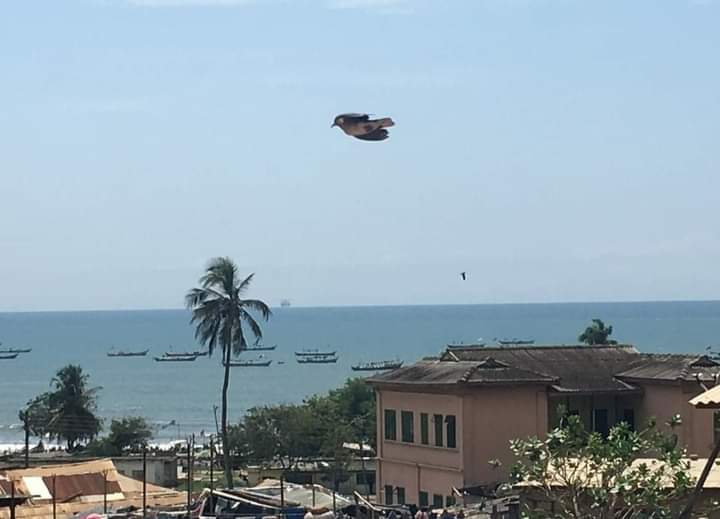
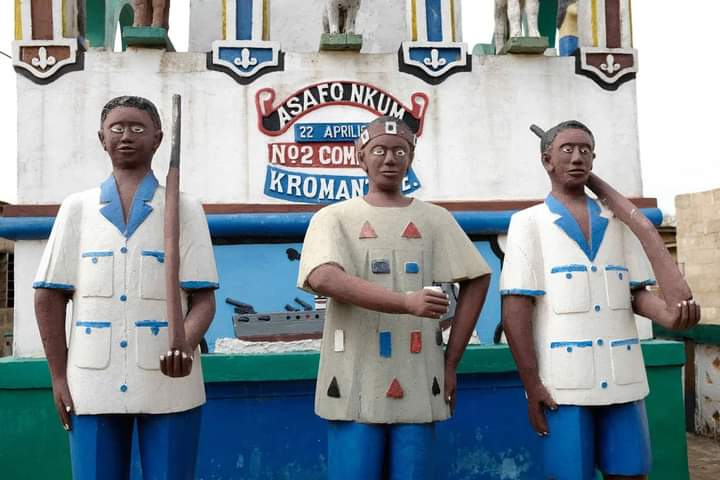
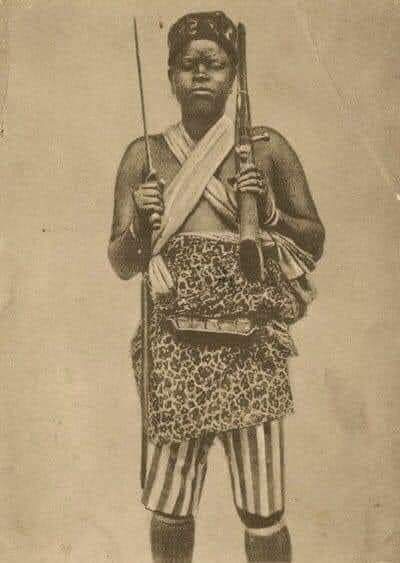
The Ewe female warrior. Mama Yakagbe stood shoulder to shoulder with the great warriors of Anlo State.

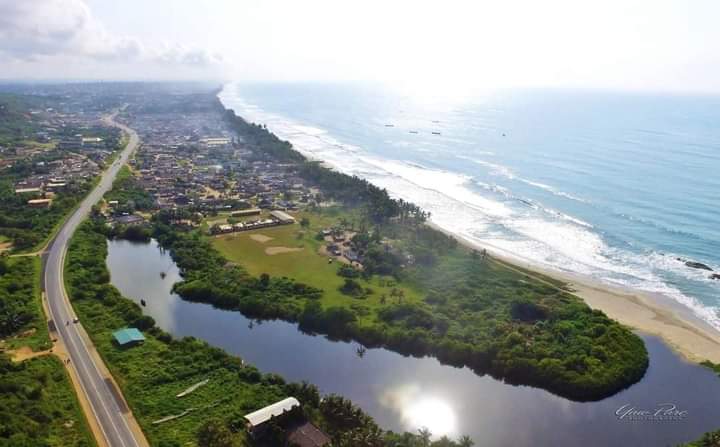
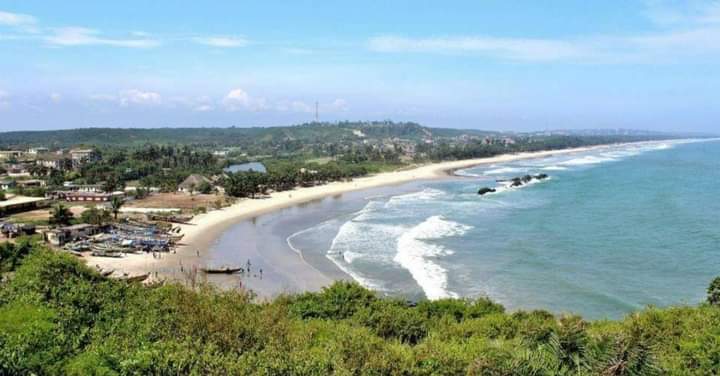
They were outside on a cool evening. She could hear the sounds of waves of the Atlantic Ocean. She looked over to the left and caught a glimpse of the vast beach.

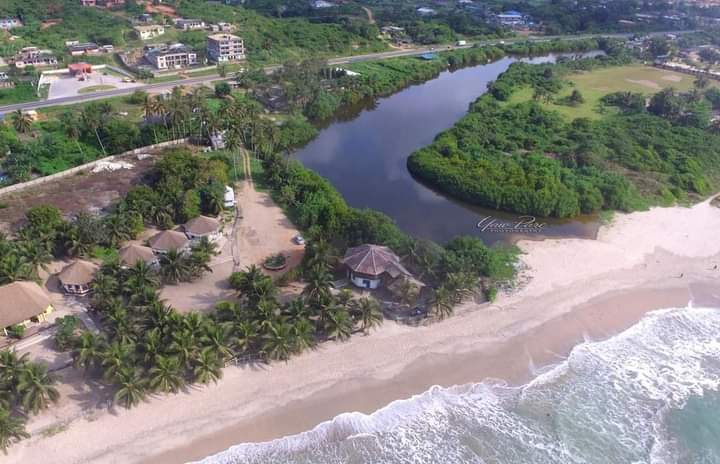
She turned slightly to the right to view the lagoon on the other side. She was ready to protect this land between the Ocean and the Lagoon.

Her forefathers had given up so much. She suddenly woke up from her daydream.

The warriors were still discussing the issues at stake. There was a war to fight. She was ready. She had several tools in her magic bag. She had spoken with several people and collected a lot of data. She knows that she needed to draw a histogram. The issues at stake had to be prioritized in order of frequency. “The Pareto analysis would be an excellent tool to use,” she thought to herself. The 80/20 rule chart would help identify and prioritize the problem areas.

According to the Project Management Institute (2018), “The format of a Pareto diagram helps demonstrate the 80/20 principle whereby 80% of problems can be related to 20% of the causes”. (p. 69). She knew it was also essential to identify the vital few contributors that account for most of the problems. She knew that using Pareto analysis will help her show the other warriors a visual of how 80 percent of problems are due to 20 percent of causes. The variables described by the histogram would show the order by frequency of occurrence.

The year was 1866, and it was the Datsutagba or Gbedzidzavu war still playing out in front of her. She had fought side by side with the gallant male warriors of Anlo State. It was sunset, and she was still standing. She was proud she had made data collection a priority, and that it had paid off. Today, Mama Yakagbe’s stool is at “Atokor and is regarded as one of the most powerful stools of Anlo” (Agbotadua, 2016, p. 34)!

Source:Gnews.com/Kofi Tutu

Posted in History

History:February the Black month of Ɔkyeman to Remember

As far as twins and customs of Ofori Panin Fie is concerned, twins called Takyi ne Kro, that is a male and female twins, it is a taboo for any of them to ascend on Ofori Panin stools or Ɔhemaa’s stool, even if they are Asona royals from the palace.
The twins that can ascend on the stool are two males twins or two female twins on Ofori Panin stools or the Ɔhemaa’s stool respectfully.

From the period of 1866 to 1911 which is 45 years, two male twins by name Nana Amoako Atta I (Kwasi Panin) and his junior brother Nana Amoako Atta II, (Kwasi Kuma) were the Overlords of Ɔkyeman one after the other.

Nana Amoako Atta I (Kwasi Panin) became Ɔkyenhene from 1866 and joined his ancestors on 2nd February, 1888, so last Tuesday 2nd February, 2021 is exactly 133 years the Etwie went to village.

Nana Amoako Atta II, Kwasi (Kuma) took over the leadership of Ɔkyeman from 1888 to february 1911 and he rested with his ancestors peacefully in Banmu, which is 110 years in this month February, 2021.

Coincidentally or divinely did these two kings go to village in the same month February in different years?

Indeed the month February is a black month to remember in Ɔkyeman as far as the tradition is concerned.

Source:Gnews.com/Kofi Tutu

Posted in History

HISTORY: AKYEM OHUM FESTIVAL


Ohum festival of Okyeman was brought by Tafohene Nana Okru Banin over 200 years ago and since then the occupant of Aduana Abrade stool of Akyem Tafo is the custodian of the Ohum festival.

Ohum is celebrated in June, July or in August annually and the purpose of celebrating Ohum is to usher in a new yam (Kokooase Bayerɛ) and give thanks to God the Almighty, the Ancestors and gods of the land for protection and provision of abundance of new yam.
The festival could also be called Yam Festival because it is celebration of a new yam.

The date for celebration of Ohum festival is strictly reserved for Nana Tafohene.
Before the date comes out for the celebration of Ohum festival, Nana Tafohene with his elders will go to the sacred forest in Tafo to offer a sacrifice , afterwards they go to a sacred Palm Tree to pluck the fresh palm fronds, (Mɛnkɛnsono) and if it is plucked it means permission is granted for the celebration of Ohum, if it is not plucked it means no permission is granted therefore Ohum cannot be celebrated.

If permission is granted for the celebration of Ohum by the gods, Nana Tafohene will go to Ofori Panin Fie in Kyebi and inform his Overlord, the Ɔkyenhene, the date for the celebration.

Upon receiving the date for the celebration, Ɔsagyefoɔ Ɔkyenhene will make declaration of two weeks ban on noise making, libation is poured and Atumpan is sounded to seal the declaration.
All these while new yam is not permitted to be eaten until final ritual is performed to usher in the new yam.

In the week for the celebration of the festival in Kyebi, on Tuesday, the final ritual is done to grant permission to eat new yam. Mashed yam (Ɛtɔ) is prepared for the ancestors in the stool room, sheeps are slaughtered and schnapps are and other wines offered to them.

At Atoase, children with palm fronds, bare-footed with clothes on their waist will go round the sacred altar and chant Ohum o! Ohum o! Ohum o!

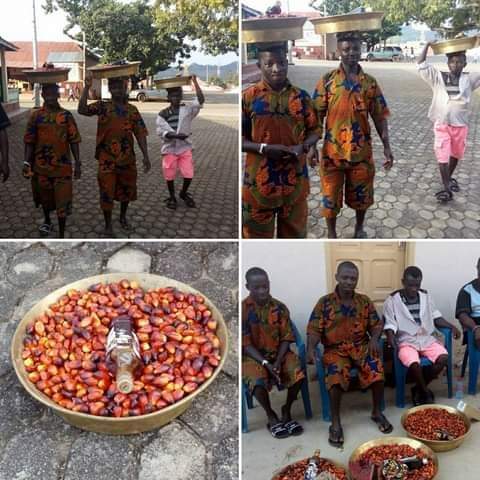
In the evening, Nana Bansohene, the custodian of Ɔkyenhene’s Banmu in Banso, will come to Ofori Panin Fie by walking all the way from Banso in Atiwa West district to Kyebi in the East Akyem Municipality to offer his gift of fresh palm fruits full of three brass pans; one for Ɔsagyefoɔ Ɔkyenhene, one for Ɔwoo-Abrɛmpɔn Abrewa Dokua, and the last one is for Ɔsabarima Abɔntendɔmhene.

Nana Abɔntendɔmhene will receive Nana Bansohene or either his delegation and give them a place to sleep and eat and in the following morning he leads them to Ofori Panin Fie to present the items to the King,
the King will then accept the gifts as the custom demands and in return give them one fat sheep to Banso to carry out a sacrifice in Banmu for the ancestors. They are to return to Banso by foot again o.

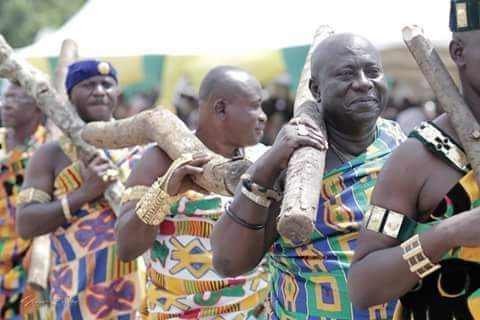
Since the festival is mostly celebrated in the wet season and during this period the temperature becomes so cold, it is a custom that the natives visit various palaces with a piece of firewood each for the chiefs in the various palaces to warm themselves.

His Majesty, Ɔsagyefoɔ Ɔkyenhene receives his presentation of pieces of firewood from his sub-chiefs.

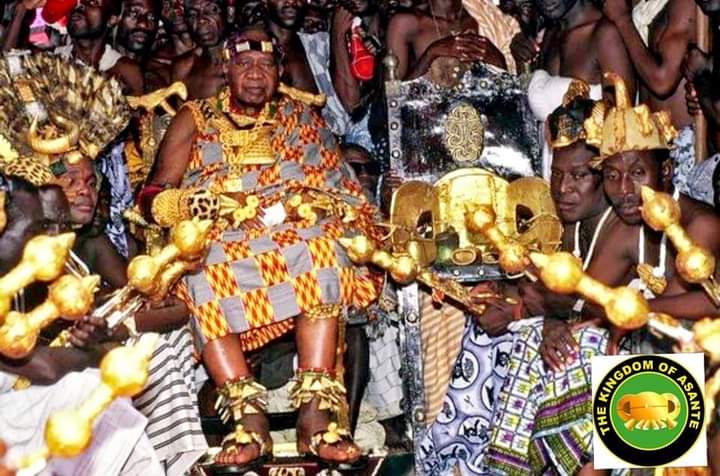
On grand durbar day, His Majesty sits in state to receive greetings from his sub-chiefs, invited chiefs, the Executive arm of Government of Ghana, the Legislature, Judiciary, Members of Diplomatic Corp and all other high profiled dignitaries.

In the evening of the durbar day, the youth are also not left out, they equally get their fun percentage of the festival.
A full packed street carnival is organized for the youth where the Gospel and Dance Hall Artistes are invited to perform live.

Source:Gnews.com

Posted in History

History:First Cape Coast Mayor

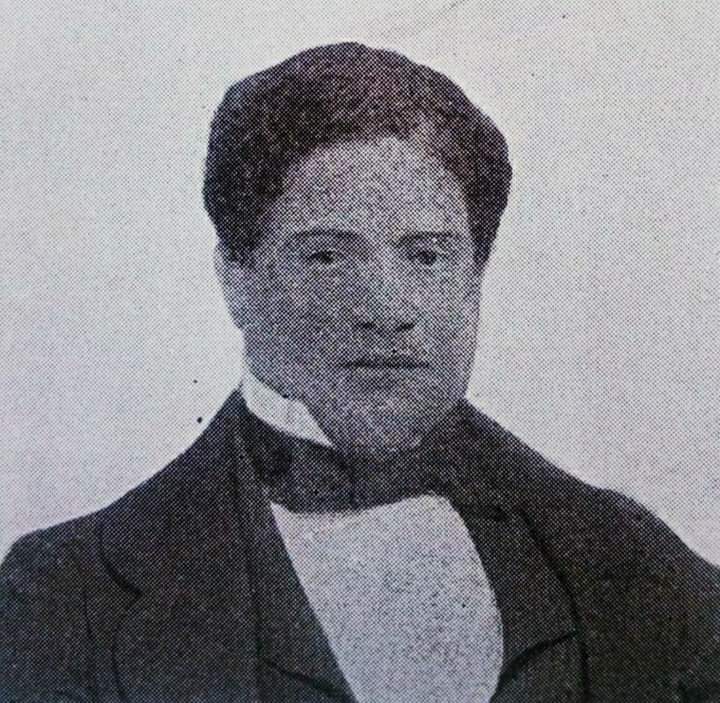
Robert Kojo Hutchison was born at Anomabo on 28th June 1828 to an English Diplomat father, William Hutchison and a Euro-African (Fante) woman, Adelina Williams. Robert`s father, William Hutchison was the first white British Resident of Kumasi(this was in 1817). Hutchison was mentioned in company with Bowdich and Tedlie as British ambassadors to Ashantee.

As a son of the upper class coastal Gold Coast family, young Kojo Hutchison was sent to England to commence his education. After completion of his education he returned to Gold Coast to reside at Cape Coast Oguaa where he started his working life as an agent of the English firm F & A Swanzy(now Unilever).

Hutchison decided to stay at Cape Coast, because Anomabo had since the defeat of the Fantes on their land by the Asantes in 1806-7, seen all her great sons and daughters moved to Cape Coast to enjoy safety from Asante attacks.

The high presence of the Anomabo intellectual and mercantile class in Cape Coast turned the area to one of the great commercial and elite societies in Africa. Professor Lawrance H. Ofosu-Appiah further adumbrates that “this was the epoch of the African merchant princes, and Hutchison was reputed to be wealthiest of the African merchants.” In a letter to the Secretary of State for the Colonies, Lord Molesworth, sent through Governor Henry Connor, dated 10 September 1855, Hutchison claimed that he was worth £60,000. Indeed, he was the jack of all trade on the coast.

In spite of the depression of the 1850s and 1860s, Hutchisons business prospered. In fact, when the oil palm industry slumped and suppliers in the far away Kroboland decided not to sell because they had been heavily fined as a result of a rebellion, Hutchisons firm undertook to pay the fine and to collect the debt in palm oil from the Krobo people. Hutchison, as the sole African agent of the F & A Swanzy, benefitted immensely.

Apart from his uncanny ability in commerce, Hutchison was also a gentleman of martial fervour, he held a commission as an officer of the Gold Coast Volunteers. He fought in the Fante and colonial British army against the Asantes. In 1863, Hutchison with support of his fellow and prosperous Anomabo brothers George Kuntu Blankson, John Sarbah snr(father of John Mensah Sarbah), Samuel Collins Brew and other resourceful coasta Fantes, established the Gold Coast Volunteer Corps. With this force they were able to help defend the coastal region during the Asante invasion of 1863.

Following the establishement of the Accra Municipal Council by Governor Sir Benjamin Chilly Campbell Pine, under the provisions of the Municipal Corporations Ordinance of 1858, Hutchison prevailed on the acting governor, Major Henry Bird, to establish a municipal council in Cape Coast in 1859. He stood for the election, and was elected as the first mayor of Cape Coast. Hutchison served from1859 to 1860.

During his tenure of his capitalist oriented administration, he introduced a house tax, varying from one shilling to three pounds, which led to discontent, because the Cape Coast people regarded it as a sort of poll tax.

His office also established court which could impose fines of up to £50 in civil cases, and up to six months imprisonment in criminal cases. This mayor`s court also created serious discontent in Cape Coast with some of the natives calling on him to return back to Anomabo where he belonged.

Indeed, the Ɔmanhen of Cape Coast was the most vocal of Hutchisons critics because he considered the activity of the mayoral court as ursurpation of his traditional function as an overlord of Oguaaman. Hutchison received support from Governor Bird who felt that Oguaa Ɔmanhens opposition was due to the fact that Hutchisons court gave fair judgement and imposed reasonable fine in tandem with the British common law tradition, whilst the Ɔmanhens native customary law court engaged in bribery and imposed heavy fines to fill his treasury.

As a result of the discontent that flowed from the Municipal Corporation Ordinance, it was repealed in 1863 after the death of Hutchison. Despite the discontent, Governor Bird commended the Cape Coast Town Council for its performance, and granted the mayor and his councillors permission to to wear insignia of office- partly in order to stimulate competition at the next elections. The amended ordinance re-emerged in 1924, and was forced to be withdrawn by lawyers Kobina Sekyi and Augustus William Kojo Thompson of the Aborigines Right Protection Society (ARPS) and Ga Mambii Party respectively. The ordinance was re-amended as part of Guggisberg Constitution of 1927 and it was passed into law creating opportunity for Municipal Council elections into the Legislative Council.

In 1861, Hutchison well-known for his impeccable dressing and eloquence in the Queens tongue and his native Fante language was appointed to the Legislative Council as the third unofficial African member until his death in 1863. He participated actively in the councils proceedings, was highly respected by the European members and used his position to help safeguard the interest of the Africans.

In civic affairs, Hutchison, as an Euro-African of Fante extraction, unapologetically encouraged the educated Gold Coasters to wear European clothes and to imitate the European way of life. However, when he was disallowed from joining the all-white English freemasonry, Hutchison joined forces with Charles Bartels brothers, Bannerman brothers (Edmund aka “Boss of Tarque” and Charles, the pioneer newspaper man) to introduce freemasonry to Gold Coast elite African society, establishing the Gold Coast Lodge No. 733 in April 1859. The fraternity was introduced in Gold Coast in 1737 following the appointment of Dr David Creighton as the Provincial Grand Master of the Cape Coast Castle by the Earl of Loudoun. The first Lodge in the Castle, followed by the Torridzonian Lodge No. 621 founded in 1810 in the Castle and Cape Coast Lodge No. 599 founded in 1833 were exclusively for whites. Hutchison`s Lodge in 1859 was the first for the Africans. The Gold Coast Lodge No. 773 is the mother lodge in West Africa. He was also a philanthropist who assisted in the building of the the beautiful Anglican Chapel at Cape Coast. There is a tablet in this church in commemoration of his good name.

In 1863, whilst in the Fante war camp at Assin Manso with his Gold Coast Volunteer Corps to stop the Ashantis from invading the coast, Hutchison contracted malaria/dysentery and was brought home (cape Coast) and died on 13 June 1863. His tomb is in the old cemetery in Royal Lane, Cape Coast. He was cited as one of the great Gold Coasters whose idea of the formation of Gold Coast Volunteer Corps paved the way for the British to introduce Police service. He is still remembered in the Lodges of Ghana, and in the coming months as the freemasons celebrate their 300 years anniversary, Robert Kojo Hutchison shall be celebrated by the legacy he left behind.

Credit :Cape Coast Oguaa/ Kweku Darko Ankrah

Posted in History

History:The History of Dreadlocks!

The history of dreadlocks is varied and differs depending on who you ask. This, then, is a summary and compilation of all the different accounts that has been able to locate.

AROUND 3600 BC…
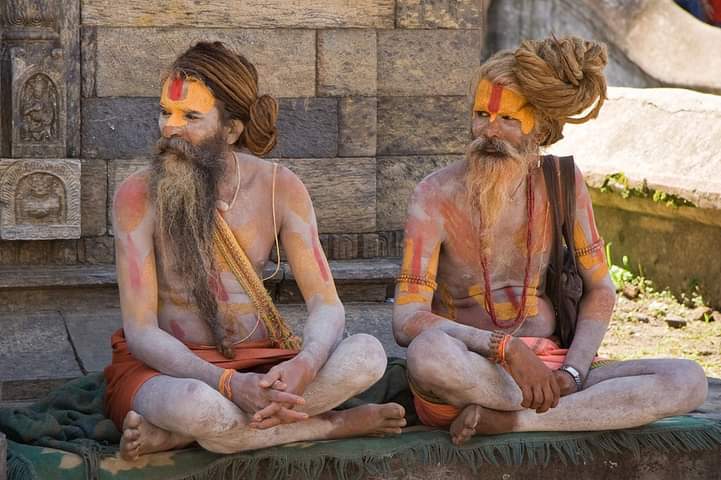
One account claims that dreadlocks originated in India (unlike most who cite Egypt as their birth place) with the dreadlocked diety Shiva and his followers. It is likely that this is the spirituality origin of dreadlocks in Indian culture.

In 1500 BC…
However, the first archaeological proof of people wearing dreadlocks came from Egypt where mummies have been recovered with their dreadlocks still in tact.

Regardless of their origin, dreadlocks have been worn by nearly every culture at some point in time or another.
Roman accounts stated that the Celts wore their hair ‘like snakes’. The Germanic tribes and Vikings were also known to wear their hair in dreadlocks.


Dreadlocks have been worn by the monks of the Ethiopian Orthodox Tewahedo Church, the Nazarites of Judiasm, Qalandri’s Sufi’s, the Sadhu’s of Hinduism, and the Dervishes of Islam, and many more!
There are even strong suggestions that many early Christians wore dreadlocks; most notably Sampson who was said to have seven locks of hair which gave him his inhuman strength.

The belief that dreadlocks gave a person power is not unique to this Bible story. Many believed that energy (presumably life force energy, chi, prana, ki, etc.) exits the body through the top of the head and that having knotted hair prevents or retards the escape of energy making one stronger and even potentially imbuing a person with supernatural mental and physical abilities. In many cultures it was and is common for shamans in particular to wear dreadlocks.

Dreadlocks have also symbolized the recognition and demonstration that our physical appearances and vanity are unimportant. Another, similar practice is having a shaved head with no hair at all. Others still believe that dreadlocks are the most natural and healthy style of hair to have as hair will dread if left to its own devices.

At the beginning of the Industrial Revolution The Rastafari Movement began gaining popularity among the Black Jamaican population. The Rastafari draws their beliefs from three main sources; the Old Testament, African tribal culture, and Hindu tribal culture. Before it got the name ‘Rastafari’ its followers called themselves ‘dreads’, signifying their ‘dread’ and respect for God.

In an attempt to emulate the Nazarites and Hindu holymen their beliefs were modeled after, they began to wear their hair in matted styles and this is when the term ‘dreadlocks’ came into common use. The Rastafari Movement began to draw attention when in the 1930’s Ras Tafari was crowned the emperor of Ethiopia. He was forced into exile and many vowed not to cut their hair until he was released.

TO BE CONTINUED…

Posted in History

History of Ofarnyi (fisherman) Kwegya.

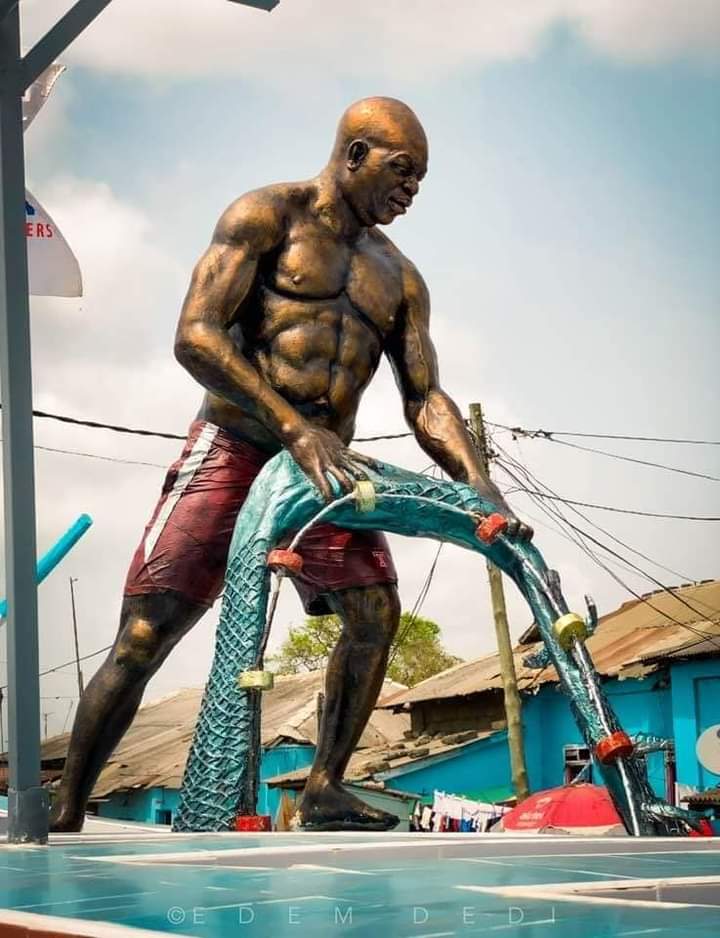
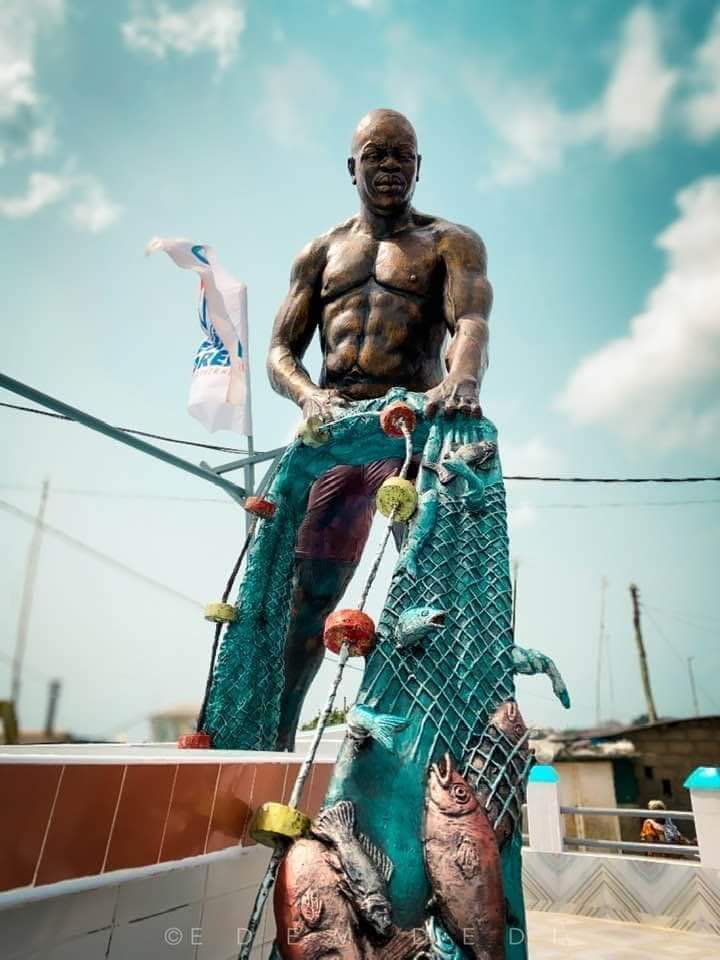
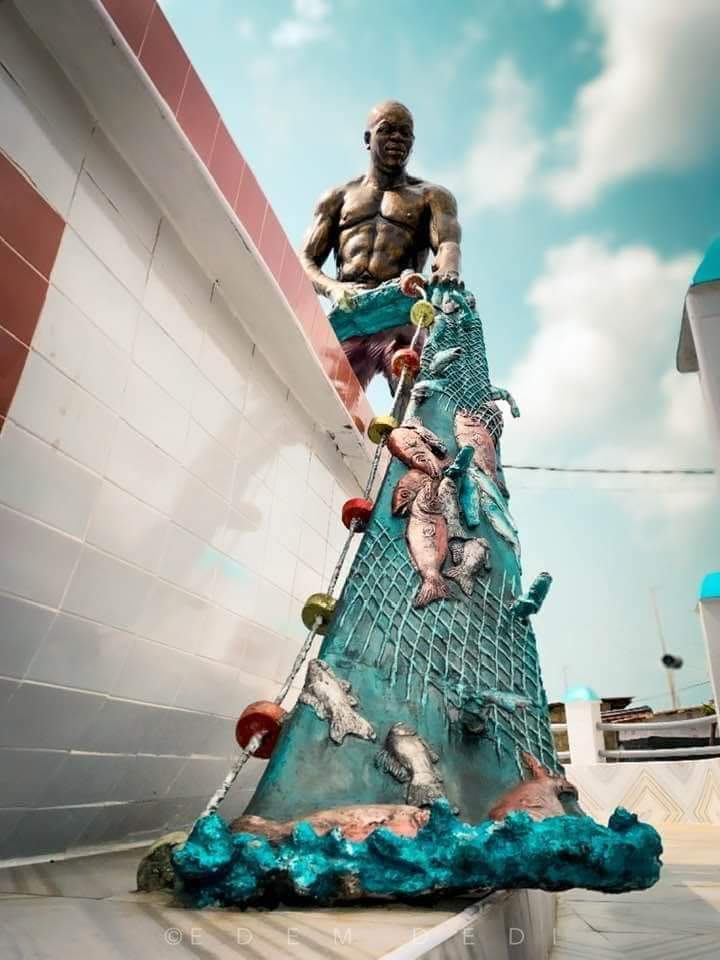
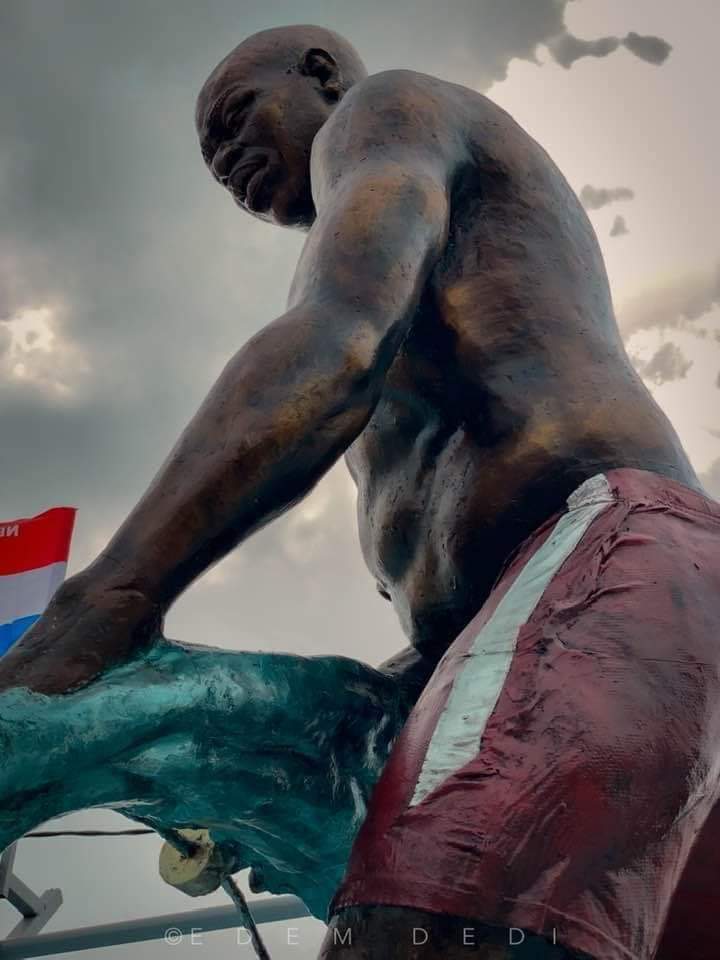
Ofarnyi Kwegya was part of Asebu Amanfi and his group of people that arrived from Ancient Egypt to present day Asebu town in the Central Region of Ghana. Asebu Amanfi and Ofarnyi Kwegya were both giants according to oral traditional history. Asebu Amanfi on his arrival moved inland and founded Asebu township. Ofarnyi Kwegya was a master fisherman who settled on the coast due to the abundance of Mɔrolɛ (Stingray) in the rivers, henceforth the name Mɔrolɛ or Moree. Another name for Moree is Kwegyakrom.

Ofarnyi Kwegya was a master fisherman who was able to capture huge number of fish due to his size. His fishing activities took him and his men to several parts of the coast of present day Central Region. He settled in Moree, Winneba and other parts of the coast due to his fishing activities.

Simpa (Winneba) was founded by Efutu settlers under the leader Osimpa, hence the name Simpa. Winneba as a town, was founded by fishermen settlers from Oguaa and Edina. Ancient Efutu fishermen from Oguaa and Edina used Winneba as their place of rest before they continue their journey in search for fish.

The late Ofarnyi Kwegya was the greatest fisherman ever to have lived in Gahana. After his death, no fisherman has been able to equal his achievements.

Credit:Cape Coast Oguaa

Posted in History

The names of the 77 traditional deities/divinities of Cape Coast and where they are situated

(1) Abakah -Beulah Lane area including part of Jukwa Road, Siwudu, Aboom, Kotokuraba and part of Dawson Hill.

  1. Abo FUFUW-Reef towards Ekwan (Queen Anne’s Point)
  2. ABO Kwakwa -Fort Victoria Site
  3. ABO KESSIEDU -Customs Beach
  4. ABO KOR (or ABURUKUR) -Customs Beach
  5. ABO Kwesi-O Nkum (2) Roman Catholic Cemetery
  6. AB) POW-Kotokuraba Market
  7. ABO SANTSIN -Reef running from Nkum Beach. (*note there is a rocky deity at Anomabo Beach Resort with the same name)
  8. ABOSOM FUFUR- Nkum (Victoria Park)
  9. AADUA -Behind Methodist Domiabra Cemetery
  10. AAKOABIREM -Behind Fosu Lagoon (Bakatsir)
  11. ADADENTEM -Siwudu (Municipal School Site)

13 AKODAA EKU -Bentsir

14 AKROMA KOJO -Customs Beach

  1. AKYIRE -Bentsir (Aba Komfo’s House)

16 AKOTSIABA -Nkum (Kakanadzi Nana Adjoa Ata’s House)

  1. AKYIM Kweku -Nkum (Victoria Park)
  2. AKYISA -Nkum (Akyinba)
  3. AMISA -Amisa Kyir (King Aggrey Street)

20 AMBRA KOFUA -Brofuyedru Reef

21 ANTAR Kwesi-Siwudu (C.O.S. Park)

  1. ANTO NTEFI -Nkum Mbasiafo Mpoano (Females’ Beach)
  2. BENDZI -Near Fosu Lagoon
  3. BOBAA TSINTSINDO -Customs Beach
  4. BOBRAKU -Customs Beach
  5. BREDUA -Ituray (Eturyie)
  6. BRENU -Ituray (Eturyie) Water Pool
  7. BO AMRADU (BURA AMEIDU) -Amanfir Point
  8. BUKYIA MENSAH -Near Reef facing Nkum Beach
  9. BORANTA -Abakam (Elmina Road)
  10. BODZENYA -Bentsir (near Bentema’s House)
  11. BOSOMEFI – (l)Fortgate Hollse site (2) Between Methodist and Roman Catholic Cemeteries.
  12. DUMANTA -Bentsir (Fynn’s House Site)
  13. EBUAKU – Ntsin (Upper-north Papratam)
  14. EBUFI -.-Nkum (Kweku-eyim near Komfo Mensah’s House)
  15. EBUI -Idan (“Signaller”)
  16. EDUMASI -Cape Coast Hospital Site
  17. EKATA EFUNANO -Municipal Tipping Depot Area
  18. EKUMAFUR -Idan Beach
  19. EKUANTU -Asikam (near Customs Beach)
  20. ESIKAKYIR -Amisakyir (Before Ebui)
  21. ESIMBA.-Bentsir (Aba Komfo’s House)
  22. ETSIRIFI -Customs Beach (near Big Town Drain)
  23. EYIKU -Bentsir (Mena Kwansema’s House)

45 EYITSIW -Idan Tsir

  1. FOSU -Lagoon, Elmina Road
  2. GYANBIBI (A) -Ntsir 86
  3. GYANKORBIR -Fort Victoria-Elmina Road Cemetery
  4. GYE-GYE (or DWI-DWI) -Ntsin-Connor’s Hill

50 GUAFU DENDE -Emisakyir

  1. ITUEY – Old Market-Central Police Barracks Site.
  2. KANTEMTWOM -Amanfur (Latrine Site)
  3. KƆWOTSIR HWE -Across Fosu Lagoon
  4. KWANKYI-NA-NUMA- Fosu Lagoon
  5. KOPI DUN -Nkum (Komfo Mensah’s House)
  6. KOJO BIRIM -Kotokuraba-Aboom Area
  7. KOTOKURABA -Kotokuraba
  8. KWESI EHUN -Bentsir
  9. KWESI EKYINABA -Bentsir (Gyakyi Attobra-Mensah’s House)
  10. KWESI ITWI (OMANWURA) -Nkum (Kakandzi Nana Adjoa Ata’s House)
  11. KWESI PINI -Nkum (Kakandzi Nana Adjoa Ata s House)
  12. MUNTURNANUM -Asopuru (Behind Fosu Lagoon)
  13. Nenyi -Bentsir
  14. NKYINKYINDO -Siwudu
  15. PAPRATA -Ntsin
  16. SAPREKU -Back of Wesley Methodist Chapel near Cape Coast Castle
  17. Safo -Eduanu (Aquarium)
  18. SANKREDU-Siwudu Area
  19. SANSANMEI -Kotokuraba-Aboom
  20. SIKAFO Kweku – Nkum
  21. TAABIRI – Castle Rock (this is the Deity inside Cape Castle Dungeon where there is now exhibition of concrete heads sculpture. First place you start the tour of the Castle)
  22. TANSEI BIBADU -Customs Beach
  23. TUTUBU BUBIM-Bentsir (Gyakyi-Attabra Mensah’s House)

74 WIADUKU -Asikam

75 WIANUME -Nkum (Kakauadai House Site)

  1. WURAKOBIREM -Aboom Road Junction (near Children’s Hospital)
  2. YEEDZIWA -Nkurn (Victoria Park)

Credit : Professor Augustus Casely-Hayford of SOAS- LONDON.

Posted in History

History of Kormantse Na Abandze

Kormantse is very important in Ghana and history of slave trade. In the history of slave trade and Caribbean the town is called Cromantin (Kromantine), and the slaves taken from Gold Coast were known as Cromantin slaves. For the Jamaicans this place is their natural home. They were notorious for causing most of the slave uprisings in the Caribbean, South and North America. They were enslaved people that slave masters feared the most. In the Caribbean, an edict was issued for stoppage of importing Cromantin slaves.

Kormantse were part of Nkusukum(Bentsi) people who were living among their other sub-ethnic fante groups or wards, Ekumfi(Edumadze), Kurentsi Amanfo(Mankessim), Abora and Anomabo(then known as Ntsetse or Anaafo). Each of the quarter enjoyed absolute independence of the other. As the population expand at Mankessim, Nana Kome and his group living among the Nkusukum group left their Abaatam settlement in Mankessim to look for new land to settle.

According to the Fante folkloric historian Joseph Brandford Crayner, Nana Kome and his people moved through Kuntu, Anakyir and Amoku(now Saltpond) to settle near a flat land close to the Hill where Fort Amsterdam is situated. After settling here for some period of time, Nana Kome and his followers decided to move on. But his junior brother, Kome Kuma refused to accompany the main party and chose to stay behind. Soon the Denkyira armed bandits invaded the area and Kome Kuma was captured.

Both Crayner and folkloric Guan historian, Kwame Ampene contend that the captured of Kome Kuma caused his aggrieved senior brother, Nana Kome Panyin to exclaim: “Sɛ Kome Kuma tsie me a, nkyɛ wo ankyɛr no” (If Kome Kuma had listened to me, he wouldn’t have been captured). Thus he said “Kome antse” (Kome did not listen). Out of the expression Komeantse, emerged the town`s name Kormantse or Komeantse. For the purposes of this post I shall stop with the story here, but it was these same group of people led by Nana Kome Panyin, who moved on to found Biriwa, Akatakyiwa and Komenda.

Abandze, on the other hand, was a town which grew outta Kormantse during the European trade with the Kormantse and other Fante and Akan traders. The visitors who stayed directly below the Fort Amsterdam decided to call themselves Abandze, (those who belongs to the fort or castle).

The independence of Abandze from Kormantse and fight over a common lagoon between these two towns caused serious bloody war. The story about this war is what musician C K Man popularized in his famous song, “Kormantse na Abandze, wɔmbisa hɔn ko yi mu asem eh, aburaaaa wombisa o.”

Credit : Kweku Darko Ankrah

Posted in History

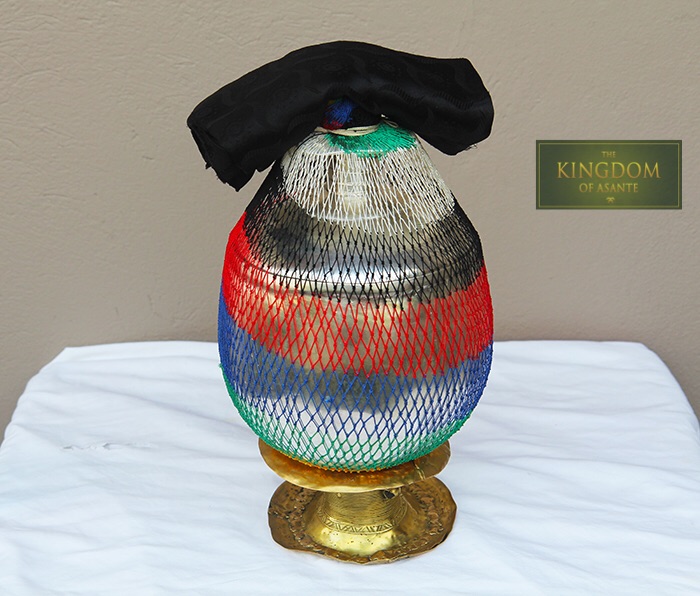
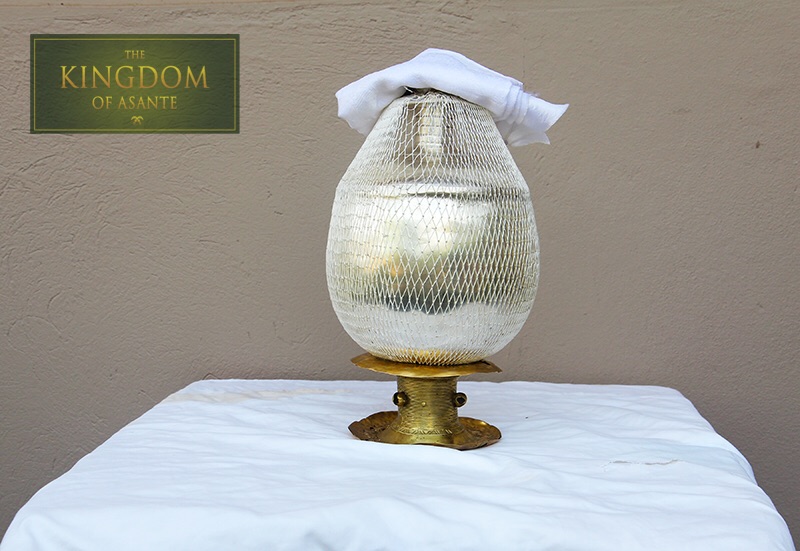
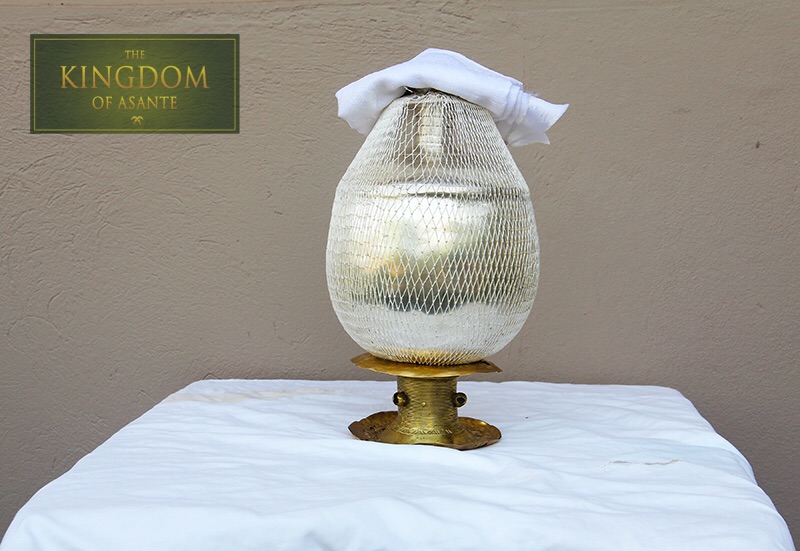
Dwetɛ Kuduo (Silver Casket)

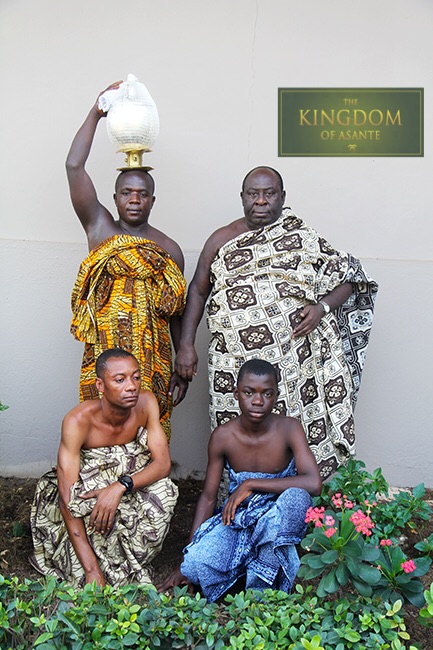
Technically, dwetɛ kuduo is not a chair or a stool but since it is a vital part of the Gold Stool, it usually precedes the stool carriers when the Asantehene is carried in the palanquin.

It is placed in front of the king’s chair and/or stool when he is not present and this explains our rationale for adding it to this chapter. Under the leadership of Ɔpemsoɔ Osei Tutu, the Asante forces finally captured the dwetɛ kuduo from Bɔdwesɛanwohene Nana Adu Gyamfi in Adanse.

After unifying Asante with the Gold Stool and adding the variety of regalia items, Kɔmfo Anɔkye informed Ɔpemsoɔ Osei Tutu that they needed the dwetɛ kuduo belonging to Bɔdwesɛanwohene Nana Adu Gyamfi to ensure victory in potential wars.

According to Kɔmfo Anɔkye, Nana Adu Gyamfi’s dwetɛ kuduo possesses special tumi (powers) that are needed to reinforce that of the Gold Stool.

The analogy, according to Baafoɔ Osei Asibe, is like buying a car with no gas in it or a car without tires. In that sense, it is fair to say that the dwetɛ kuduo provides Asateman with ahoɔden (strength), akwankyerɛ (guidance), nimdeɛ (knowledge) and akokoɔduro (bravery) to successfully defend the kingdom against aggression from potential enemies.

Further, Kɔmfo Anɔkye informed them that victories in wars are assured once they are able to add the dwetɛ kuduo to the Gold Stool.

Obtaining Nana Adu Gyamfi’s dwetɛ kuduo was not easy as Ɔpemsuo fought Nana Adu Gyamfi on seven different occasions, but the latter’s forces defeated the Asante forces in all the encounters. After failing to defeat Nana Adu Gyamfi, the king, in consultation with Kɔmfo.

Anɔkye came up with a new strategy that would not require the use of force. For the new scheme, the Dɛɛboɔsohene was sent to Bɔdwesɛanwo as an undercover agent to capture the dwetɛ kuduo and bring it to Kumase.

After a couple of months, he returned and reported to his superiors that it was an impossible mission. Faced with a near impossible situation, Kɔmfo Anɔkye then performed special rituals for Dɛɛboɔsohene to enable him to withstand any spiritual forces that might prevent him from accomplishing his mission.

Following the rituals, Dɛɛboɔsehene went back to Bɔdwesɛanwo as a palm wine tapper and lived there for three years. In that time, he ocassionally returned to Kumase to report and update his superiors of his investigations.

In the process, Dɛɛboɔsohene managed to marry Nana Adu Gyamfi’s niece and that gave him the opportunity to get closer to the chief’s court.

Due to his knowledge of the Asante court traditions, he endeared himself to the courtiers and soon developed a close relationship with Nana Adu Gyamfi.

Eventually, he was able to coordinate with the Asante forces and coordinate a day to move in and seize the dwetɛ kuduo. On this day, Dɛɛboɔsohene killed Nana Adu Gyamfi and fled with the dwetɛ kuduo.

With perfect coordination, the Asante forces provided him with cover, surrounded Bɔdwesɛanwo, and with a surprise attack, defeated them for the first time and finally brought the dwetɛ kuduo safely back to Kumase.

Once in Kumase, Osei Tutu identified a carrier and created a stool for him and as a result, we have Dwetɛkuduohene, but Dɛɛboɔsohene is recognized as the one who brought it to Kumase. The Dwetɛkuduohene swears his oath of office to Otumfoɔ in addition to having access to the royal chamber.

Kuduo refers to a special container where precious items are kept while dwetɛ is the Twi word for silver.

Dwetɛ kuduo therefore means a kuduo made of silver (Raymond Silverman, 1983: 10-29, examines in detail, the form and function of the kuduo in Akan).

In the past, the Akan used kukuo (earthenware pot) or kɛntɛnku (woven basket made from cane or the back of palm branches) for similar purposes and expensive cloths, jewelry, and other valuable items were placed in it for safekeeping.

As mentioned previously, the Asantehene’s dwetɛ kuduo contains several ritual objects that collectively give him tumi (power) and it is always in his presence.

Dwetɛ kuduo is the last regalia item that is handed to a newly installed Asantehene to formally complete the ceremonies of his installation. During processions, the carrier walks to the right of the Asantehene and within easy access of the king.

It is placed on the king’s right when he sits in state. In times of crises, or when judging extremely complex land or succession cases, the king places his right hand on the dwetɛ kuduo and it is said to be able to transmit the ahoɔden (strength) and tumi that he may need to negotiate difficult cases.

By virtue of his office, the Dwetɛkuduohene is able to transmit tumi if the king places his right hand on his heart.

Source:The Kingdom of Asante

Posted in History

Discovery of Palm Wine

In the reign of Nana Akora Frampong Abedwimhene, Palm wine was discovered.  It is important to note that Chiefs in the olden  days were mostly hunters. In his such expedition  Nana Akora Frampong Abedwimhene, was accompanied by his hunting dog called Boasare to forest of oil palm trees where elephants abound.

The elephants  used to draw up the tops of such palm trees and sucked the juice from the stumps.  One of such trees fell down and the dog licked the juice for its sweetness Later on Nana also tasted some and became intoxicated. When he returned home his abnormal behavior alarmed his people and he was considered getting “mad”.

After few hours he also gained his normalcy. One day by accident, a fire which dropped from his smoke pipe on the felled palm tree burnt the palm tree which produced the juice.  The smoke colored it.  He dressed the color from the source of production with his knife and the juice flowed profusely which he enjoyed very much resulting in his increased “madness” waned in the evening.

The people of Abedwim therefore fell more of the oil palm trees and dressed them in like manner which continuously produced more juice for their enjoyment especially when “Fired” and redressed.  The said meaning “ensa da” which gave the name to the juice as “ensa”(Never Finish) this is the discovery of palm wine “Nsafufuo”.  Consequently anybody who drank the palm wine began to sing a song and that gave the name Abedwim (Palm Wine song).  Two remarkable episodes in Nana Frampong’s  reign were:-
One discovery of palm wine Nana Akora Frampong invited his brother-in-law then Akrokerrihene Nana Anti Kyei to such drink party.  Accompanied by one page (Ahenkwaa), he Akrokerrihene, honored the invitation.  He drank more of the palm wine for its sweetness and taste and was thus fully intoxicated.


Inspite of the advice by the  Abedwimhene to stay a while, the Akrokerrihene left.  On his way home he attended nature’s call and instead of using the usual stick to clean himself, he mistakenly and in such abnormal mood used his Sharp knife (Atope), which cut so deeply into his buttock causing such a fatal wound from which he died almost immediately.


The page (Ahenkwaa) ran to inform the people of Akrokerri of the incidence who in their frenzy assumed that their chief was assassinated by the Abedwim people.  Without any warning Akrokerri people attacked Abedwim with full arms and forced them to run away before they could consolidate their position to fight back in vain until they were conquered.

In the Asante kingdom, five chief(Safiesofoɔ) are responsible for providing nsafufuo (palm wine) from the forest and making it available for a variety of usages at Manhyia palace. They provide palm wine on Akwasidae morning to Bampanase Nkonwafieso ritual, and in the late afternoon, it is their duty to provide fresh palm wine for Asantehene’s Sadwa.

Today palm wine is consumed in homes and at social events. It is also used for industrial purposes following the extraction of its contents such as yeast for baking, and alcohol for the production of portable ethanol. Palm wine also  contains the antioxidant, Vitamin C. And Vitamin C, on the other hand, helps in maintaining good eye health.

There is nothing that is as beneficial to our health than the various gifts of nature. Unarguably, palm wine is one of them. If you are a palm wine lover, drink responsibly.

Mpanin se, Tɔntɔnte Tɔntɔnte yɛrenom nsa no, na yɛrefa adwen .

Piawwwww

Posted in History

Exactly 22years and still counting the demise of Otumfuo Opoku Ware ll

Otumfuo Opoku Ware ll, Asantehene was born in Kumase on November 30, 1919, the first child of Nana Akua Akyaa of the Royal Oyoko family of Kumase and Opanin Kwabena Poku of Gyakye (Jachie).


His mother, Nana Akyaa was the younger sister of Nana Ama Sewaa Nyarko, who reigned as Asantehemaa (Queenmother of Asante) from 1944 to 1978. Otumfuo was named Kwaku Adusei at birth and at baptism in the Anglican faith, given the name Mathew.

His father’s name Poku was added to his christian name on his enrolment as a pupil in the English church mission (Anglican) school in 1925.

From them on, he became known as Mathew Opoku but more affectionately as Nana Poku.


He used to recall with much pleasure and gratitude that he owed his early education to his grand uncle, Otumfuo Prempeh l, who personally took him to the society for the propagation of the Gospel (SPG) school and got him enrolled in class 1 by the Headmaster, the late master Owusu who later became chief Owusu, Anyinasehene.

Young Mathew Opoku came under a strong Christian influence and lived in the mission house with English church mission Father’s at St Augustine’s Anglican Training College in Kumase from where he attended school and served at Mass on Sunday at the parish (now cathedral) Church of St Cyprian the martyr.

He completed his education at the Anglican Bishop Boys School in Accra where he obtained the Standard Vll certificate in 1933.

Meanwhile he added a second Christian name, Jacob, to identify him from a school mate who was also called Mathew Poku. From Bishop boys school, he preceeded to Adisadel college, Cape coast, preferring to study for the Cambridge school certificate to training to be a teacher at Achimota where he alsohad been offered admission.


At Adisadel he was encouraged to work towards ordination and all indications were that Jacob Mathew Poku was heading for the priesthood when in 1938 his uncle Otumfuo Prempeh ll recalled him to Kumase on completing his secondary education and had him attached to the Town Engineer department to train to be a Licensed Building surveyor.

He joined the PWD in 1941 as a building draughtsman and surveyor and was posted to the Airforce base of the West Africa Frontier Force at Takoradi.

He rose to become the first African to head a District office ot the public works department and took charge of the Axim District from 1943 to 1944 when his uncle Otumfuo Sir Osei Agyeman Prempeh II, recalled him to Kumase to head the survey section of the newly established Asantehene’s lands office, where he worked until 1952 when he left for the United Kingdom to pursue further studies.


Among the many major projects which he undertook during his 8yrs at the Asantehene’s Land were the design and supervision of the construction of many schools Building and clinics in several Division/states within the restored Asante Confederacy.

He also designed and supervised the construction of the building housing the many offices in Manhyia, most notable among them the National House of chiefs.

He also surveyed and demarcated the lands which his uncle donated for the establishment of Prempeh college in 1949, the Kumase college of Arts, science and technology (since 1961, the Universityof Science and Technology) and Opoku Ware secondary school.

He returned from the United Kingdom in 1962 as a Barrister at Law, having studied Local Government at the University of Exeter and for the Bar at the middle Temple.

Barrister Jacob Mathew Poku joined the Law firm Effah and Tottenham in Kumase and practised his profession until he was invited in 1968 to join the Government of the National Liberation Council as commissioner (Minister)for Transport and communication.

He had before this appointment, combined his practice at the Bar with active social work and had contributed much of his time and energy as a member of the Kumase city Council and Governing Boards of several institutions.

These included, to mention a few, Prempeh college, Asanteman secondary, the Anglican secondary school and the Ahmadiyya secondary school, the Management Committee of the Ghana University staff superannuation scheme, the Regional Committee of town & Country planning and Ghana Housing Corporation.

As commissioner for transport and communication, he opened the new Automatic Long Distance Dialing Exchange, and led delegation for bilateral negotiation to several countries the U.K., the U.S., Japan, Germany, Italy, and was elected the first president of the African Civil Aviation Organisation, an honour which acknowledge his leadership and contribution to the negotiation leading up to the establishment of the organisation with headquarters in Dakar, Senegal.


Mathew Poku retired from his ministerial post some six months before the government of which he was a member was succeeded by the government of the Second Republic led by Prime Minister Dr. K. A. Busia.

Any thoughts that he might have entertained of going back to his legal practice and private life were soon dispelled by two events which followed each other closely! He was appointed Ghana’s Ambassador designate yo Italy in 1970 but was prevented from assuming this position of honour by a call to a higher duty to succeed his late uncle Otumfuo Sir Osei Agyeman Prempeh II and ascend the Golden Stool of Asante as the 15th Asantehene.


Affectionately known and much respected as Nana Poku throughout his adult life, his candidacy for the succession was a most popular choice and he won the nomination and election without any significant opposition.

He had been the people’s choice for for decades and the Kingmakers had no problem endorsing it.

Nana Poku was installed Otumfuo Opoku Ware ll and swore his oath of office to the Kumase state on June 6, 1970 and to Asanteman on July 27, 1970.

Otumfuo Opoku Ware ll, reigned for five months short of twenty nine years during which he earned much admiration and gratitude for the mature manner in which help to guide Asante and indeed Ghana through a succession of sometimes confusing and bewildering changes that marked the Nation’s Political Landscape.

He maintained commendable neutrality and worked successfully with three Civilian Government those if the Second, Third and Fourth Republics (1969-1972, 1979-1981 and since 1994) and five Military Government those of National Redemption Council, 1972-74, the Supreme Military Council l&ll 1975-79, the Armed Forces Revolutionary Council 1979 and the Provisional National Defence Council 1981-1994.


A man of peace and a firm believer that no situation is permanent, his decision and actions were dictated and guided by immense patience and he demonstrated time and again that it is wise to avoid confrontation and conflict.

He won the gratitude of the nation and gave ample proof of the respect and esteem he enjoyed when he intervened, and by wise counsel diffused the charged and potential explosive atmosphere that followed the presidential and parliamentary elections in 1992.


There was no greater man of peace or influential Ambassador at large than Otumfuo Opoku Ware ll. He was Ghana Ambassador of goodwill per excellence.

He travelled extensively and was received by Heads of State and Government including Her Majesty Queen Elizabeth ll of Great Britain in June 1972, His Excellency the president of Italy in September, 1974, His Holiness Pope Paul VI at the Vatican in September, 1974, His Imperial Majesty Pahlevi the Shah of Iran in Tehran in October 1974 His Excellency the president of Brazil in Brasilia in June 1978, His Excellency, the late Caecescu, president or Romania in August 1978, Sa Majesty de Moro Naba Bangor, Emprereur Des Mossi in Ouagadougou in1979 and His Excellency President Fidel Castle in Havana, Cuba in 1986.

He received in audience at His Manhyia Palace several countless men and women of distinction including royalty, His Royal Highness the Prince of Wales 1977, the Prince Edward 1993 and the Princess Royal (Princess Anne) all of United Kingdom Royal Family, Heads of Religious Faith and Denominations, His Holiness Pope John Paul ll, 1980, Archbishop Runcie and Hazrat Mirza Tahiv Ahmad, Supreme Head of Worldwide Ahmadiyya Movement in Islam.

He opened the Exhibition, Asante Kingdom of Gold in the Museum of mankind in London in 1981 and his visit to New York, Washington and philadelphia in 1984 on the occasion of the transfer of the Exhibition to the American Museum of Natural History, brought to the Diaspora the richness and splendour of the culture and civilization of Africa.

Otumfuo supported and promoted many good causes and was patron if several Organisation and Institutions.

His interest in Universities as Institution which guaranteed the future development of this country never wavered, and it was natural that he should support the establishment of a Land Administration Research Centre (now Institution of Land Management& Development) at the University of Science and Technology, soon after his enstoolment.

His concern gor the healthcare of his compatriots impell him to encourage and support the decision to establish Ghana’s second Medical school, the School of Medical Sciences at the UST.

His interest in and supports for Medical School was total and it was as if by divine predictions that his death occurred barely thirty minutes after receiving and seeing off a team of specialists which was on a visit to inspect the installation of equipment for a Radiotherapy Unit for Cancer Treatment at Komgo Anokye Teaching Hospital (KATH).

The last photographs Otumfuo took in his lifetime, were with Dr. Shirley Ann Jackson, Chairperson of the Nuclear Regulatory Commission of U.S.A and her team! on Thursday afternoon,February 25, 1999.
Otumfuo Opoku Ware ll died suddenly at 3pm on February 25, 1999.

He had been of indifferent health since March 6, 1996, when he lost his wife, Nana Akua Afriyie, whom he had married fifty years (50yrs) earlier in 1946. The loss was difficult to bear, and those who were close to him saw, with increasing concern, a steady decline in his health.

The manner of his transition however took everybody including his doctors unaware. He left without notice, without a passing word and hopefully without much pain, borne on the wings of Angels onto the bosom of Father Abraham.

The Manhyia Palace Museum and the Foundation which bears his name (Otumfuo Opoku Ware ll Jubilee Foundation) which he founded to mark his silver Jubilee in 1995 will, together with the Manhyia Archives, remain perpetual memorials of his illustrations reign.

Otumfuo Damirifa, Damirifa Due.

Source:The Kingdom of Asante
Posted in History

One of the Last Slave Ship Survivors Describes His Ordeal in a 1930s Interview

More than 60 years after the abolition of slavery, anthropologist Zora Neale Hurston made an incredible connection: She located one of the last survivors of the last slave ship to bring captive Africans to the United States.

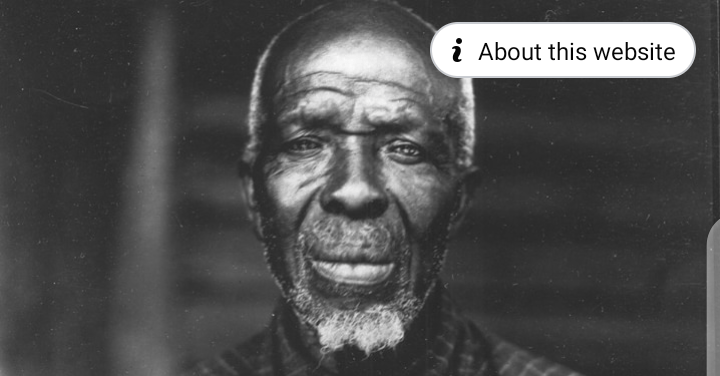
Hurston, a known figure of the Harlem Renaissance who would later write the novel Their Eyes Were Watching God, conducted interviews with Oluale Kossola (renamed Cudjo Lewis), but struggled to publish them as a book in the early 1930s. In fact, they were only released to the public in a book called Barracoon: The Story of the Last “Black Cargo” that came out in May of 2018.
Author Zora Neale Hurston (1903-1960). (Credit: Corbis/Getty Images)
Author Zora Neale Hurston (1903-1960). Corbis/Getty Images

Hurston’s book tells the story of Lewis, who was born Oluale Kossola in what is now the West African country of Benin. A member of the Yoruba people, he was only 19 years old when members of the neighboring Dahomian tribe invaded his village, captured him along with others, and marched them to the coast. There, he and about 120 others were sold into slavery and crammed onto the Clotilda, the last slave ship to reach the continental United States.

The Clotilda brought its captives to Alabama in 1860, just a year before the outbreak of the Civil War. Even though slavery was legal at that time in the U.S., the international slave trade was not, and hadn’t been for over 50 years. Along with many European nations, the U.S. had outlawed the practice in 1807, but Lewis’ journey is an example of how slave traders went around the law to continue bringing over human cargo.

To avoid detection, Lewis’ captors snuck him and the other survivors into Alabama at night and made them hide in a swamp for several days. To hide the evidence of their crime, the 86-foot sailboat was then set ablaze on the banks of the Mobile-Tensaw Delta (its remains may have been uncovered in January 2018).

Most poignantly, Lewis’ narrative provides a first-hand account of the disorienting trauma of slavery. After being abducted from his home, Lewis was forced onto a ship with strangers. The abductees spent several months together during the treacherous passage to the United States, but were then separated in Alabama to go to different owners.

A marker to commemorate Cudjo Lewis, considered to be the last surviving victim of the Atlantic slave trade between Africa and the United States, in Mobile, Alabama. (Credit: Womump/Wikimedia Commons/CC BY-SA 4.0)
A marker to commemorate Cudjo Lewis, considered to be the last surviving victim of the Atlantic slave trade between Africa and the United States, in Mobile, Alabama.

Womump/Wikimedia Commons/CC BY-SA 4.0

“We very sorry to be parted from one ’nother,” Lewis told Hurston. “We seventy days cross de water from de Affica soil, and now dey part us from one ’nother. Derefore we cry. Our grief so heavy look lak we cain stand it. I think maybe I die in my sleep when I dream about my mama.”

Lewis also describes what it was like to arrive on a plantation where no one spoke his language, and could explain to him where he was or what was going on. “We doan know why we be bring ’way from our country to work lak dis,” he told Hurston. “Everybody lookee at us strange. We want to talk wid de udder colored folkses but dey doan know whut we say.”

As for the Civil War, Lewis said he wasn’t aware of it when it first started. But part-way through, he began to hear that the North had started a war to free enslaved people like him. A few days after Confederate General Robert E. Lee

surrendered in April 1865, Lewis says that a group of Union soldiers stopped by a boat on which he and other enslaved people were working and told them they were free.

Cudjo Lewis at home.
Erik Overbey Collection, The Doy Leale McCall Rare Book and Manuscript Library, University of South Alabama

Lewis expected to receive compensation for being kidnapped and forced into slavery, and was angry to discover that emancipation didn’t come with the promise of “forty acres and a mule,” or any other kind of reparations. Frustrated by the refusal of the government to provide him with land to live on after stealing him away from his homeland, he and a group of 31 other freepeople saved up money to buy land near Mobile, which they called Africatown.

Hurston’s use of vernacular dialogue in both her novels and her anthropological interviews was often controversial, as some black American thinkers at the time argued that this played to black caricatures in the minds of white people. Hurston disagreed, and refused to change Lewis’ dialect—which was one of the reasons a publisher turned her manuscript down back in the 1930s.

Many decades later, her principled stance means that modern readers get to hear Lewis’ story the way that he told it.

Source:History.com